A Look at Insurance Services: Their Role in Protecting Your Life and Well-Being
Insurance services are crucial in providing financial security against unexpected events. They encompass various types, such as health, auto, and homeowners insurance, intended to address unique hazards. Understanding how these services operate is important for individuals aiming to safeguard their assets and well-being. When people deal with the complexities of insurance, they may find themselves questioning what coverage best suits their unique circumstances. The answers could greatly impact their future safety and stability.
Understanding Different Types of Insurance
Many people recognize the importance of insurance, grasping the different types can be difficult. Insurance is a broad field encompassing multiple categories, each designed to address specific needs. Health insurance, as an example, pays for medical costs, offering people access to healthcare services. Automobile insurance guards against financial loss in the event of theft or vehicle accidents. Home insurance protects property against loss or damage from events like fire, theft, or natural disasters. Life insurance provides financial assistance to beneficiaries after the policyholder dies, making sure their loved ones are provided for. Additionally, there are specialized types such as disability coverage, which replaces lost income if an individual is unable to work because of illness or injury. Each category has a distinct function, showing the importance of assessing personal needs to pick the best coverage. Understanding these differences is essential for making smart decisions about insurance choices.
The Basics of How Insurance Works
To comprehend insurance operations, one must know the basic principle of risk management. Insurance functions based on the idea of pooling risk among many individuals. When an individual obtains an insurance policy, they must pay a premium in exchange for coverage against potential financial losses. This structure enables insurers to collect funds from a large pool of insured individuals, creating a reserve to cover claims submitted by those suffering losses.
This procedure starts when clients determine their individual exposures and pick the right insurance policies. Carriers subsequently analyze these risks, setting rates based on factors such as lifestyle, health, and age. By spreading the financial burden across a large group, insurance mitigates the impact of unexpected events including natural disasters, accidents, or sickness. Finally, this structure gives policyholders with peace of mind, aware they possess protection in place should unforeseen circumstances arise.
Advantages of Possessing Insurance Protection
Possessing insurance provides many benefits that substantially improve security and financial stability. One of the primary benefits is the safeguard it offers against unforeseen monetary strain, for instance, damage to property or healthcare costs. This safety net allows individuals to handle hazards better, knowing they have support when crises arise. Furthermore, insurance protection helps grant entry to necessary resources, such as healthcare, which could be financially out of reach.
In addition, being insured promotes a sense of stability in life, enabling individuals to focus on their goals free from the perpetual concern regarding future monetary losses. read about this Coverage may also boost financial reputation, since creditors typically see clients with coverage in a better light. Taken together, insurance is a vital mechanism for risk management, fostering assurance and strength as they encounter life's unknowns and protecting general welfare.
How to Pick the Right Insurance

How can individuals navigate the complex landscape of policy alternatives to locate the protection that fits their unique circumstances? First, they should assess their particular requirements, weighing criteria such as financial duties, health status, and family size. This review aids in limiting the types of insurance required, be it auto, life, health, or home coverage.
Subsequently, people should investigate various providers and examine their products, focusing on policy details, coverage limits, premiums, and deductibles. Consulting consumer testimonials and asking for advice can deliver helpful perspectives.
Budget considerations are essential; clients ought to pick a plan that balances adequate coverage alongside reasonable cost. Moreover, understanding the terms and conditions of each policy makes certain that there are no unexpected issues during the claims process. Through these actions, individuals can choose knowledgeably, obtaining the appropriate policy that fits their specific needs and financial goals.
The Outlook for Insurance: Emerging Patterns
The future of insurance is ready for major change, driven by emerging technologies and shifting consumer expectations. Insurers are progressively implementing artificial intelligence and machine learning to improve risk evaluation and accelerate the claims procedure. These innovations enable personalized policies tailored to individual needs, building client dedication and satisfaction.
Furthermore, the rise of insurtech startups is challenging traditional insurance models, encouraging flexibility and competitive pricing. Blockchain technology is seeing increased adoption, promising greater transparency and security in transactions.
Additionally, as consumers become more aware of the environment, demand for eco-friendly policies is rising. Insurers are innovating to offer coverage that is consistent with eco-friendly practices.
Telematics and wearables are additionally changing health and auto insurance, providing real-time data that can help calculate premiums precisely. Overall, the insurance landscape is changing quickly, focusing on ease, personalization, and sustainability for a new generation of policyholders.
Common Queries
What Steps Should I Take After Experiencing a Loss Covered by Insurance?
Following an insured loss, an individual should immediately inform their insurance provider, record the harm, obtain supporting documentation, and file a claim, remembering to save documentation of all communications throughout the process.
On What Basis Are Premiums Set for Different Individuals?
Insurance premiums are calculated based on factors such as age, health, location, coverage amount, and hazard appraisal. Insurers examine these factors to determine the likelihood of a claim, leading to the determination of fair rates for individuals.
Am I Able to Alter My Insurance Coverage Before Renewal?
Certainly, individuals can typically alter their plan mid-term. However, this procedure might differ subject to the copyright's stipulations and rules, possibly influencing coverage, premiums, or requiring the payment of fees for adjustments made.
What are the Typical Limitations in Insurance Policies?
Typical limitations in insurance policies include prior medical issues, intentional damage, acts of war, catastrophic events, and certain high-risk activities. Policyholders should carefully review their contracts to grasp these restrictions and avoid unexpected denials.
In What Way Do Deductibles Impact My Coverage Payouts?
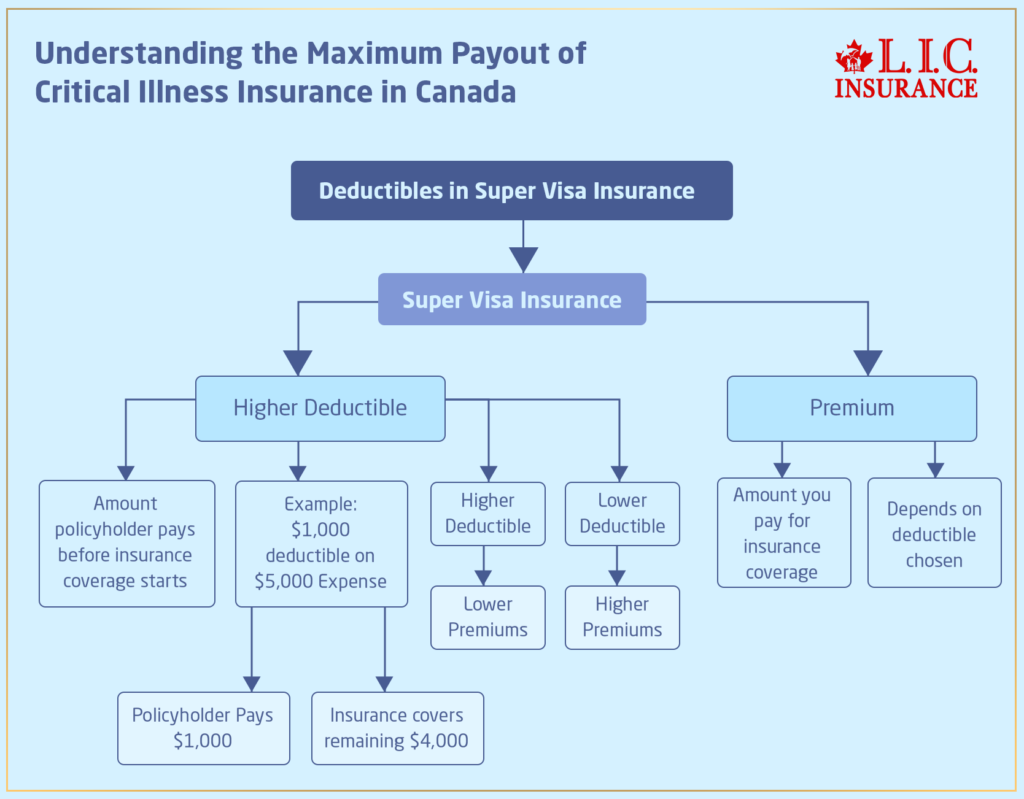
The deductible amount decreases the provider's reimbursement level by requiring policyholders to cover a predetermined starting expense before claims are processed. This significantly affects the total reimbursement received, affecting the complete monetary obligation in claims situations.